
Use trends as a plan, not decoration
Pick two or three ideas that match your space, then choose plants and materials that handle Irish rain and wind.
Quick jump list
Short on time? Start here, then shop or ask us for a personalised shortlist.
How to use 2026 trends in an Irish garden
Trends are useful when they solve a real problem. In Ireland, that usually means wet ground, wind exposure, uneven light, and the desire for a garden that looks good for more than a few sunny weeks. The strongest 2026 approach is to choose a resilient backbone, then layer in seasonal interest. For many sites, that backbone is native planting or tough, wildlife-friendly perennials, supported by peat-free compost and better soil structure.
If you garden in Dublin, your microclimate can change within a few metres: reflected heat near walls, wind funnels at balcony corners, and shade from neighbouring buildings. If you are in Wicklow, you may have sloping ground and heavier rain events. Along the west coast, wind and salt matter as much as rain. Our advice is always to start with site notes, then select plants and products that match your conditions. That is how you get a pollinator garden 2026 plan that keeps flowering, an edible garden Ireland growers can maintain, and a moody border that still reads as fresh in a wet winter.
Trend-to-action starter plan
Pick your garden type, then follow the first three actions. Simple, realistic, and suited to Irish weather.
| Your space | Top 2026 focus | First actions |
|---|---|---|
| Dublin balcony | Vertical veg + wind-smart pots | Heavy containers, trellis anchoring, peat-free mix |
| Suburban garden | Biodiversity corridor | Add native strip, long-bloom plan, habitat feature |
| Rural / larger plot | Wildflower meadow | Cut-and-lift, sow/plug plan, mowing schedule |
| Shady courtyard | Moody planting | Evergreen structure, deep foliage, reflective highlights |
Trend 1: Native wildflower revival (designed, not messy)
Native wildflower meadows are still growing in popularity in 2026, but the big shift is how Irish gardeners are managing them. Instead of sowing a generic mix and hoping for the best, more people are creating smaller, intentional meadow pockets: a sunny strip along a fence, a rewilding corner, or a pollinator ribbon beside a patio. This keeps the look tidy while delivering real value to insects and birds.
In Irish conditions, the main challenge is fertility and grass competition. Many gardens in Dublin and Wicklow are more fertile than they appear, especially if they have been mulched for years. A meadow tends to do best on poorer soil, so you may need to reduce fertility or use native plug plants rather than seed alone. Key species to look for include foxglove, red clover, teasel, yarrow and sea thrift in coastal areas. These support pollinators and cope with our wet, mild climate when established.
Practical steps that work in Ireland
- Choose the right scale: start with 2 to 6 square metres if you are new to meadow management.
- Reduce competition: remove existing grass and create a clean seedbed or use plugs for faster results.
- Plan your cut: a summer cut after the main flowering, then remove arisings to keep fertility down.
- Edge it: a mown border or a path makes a meadow look intentional in suburban gardens.
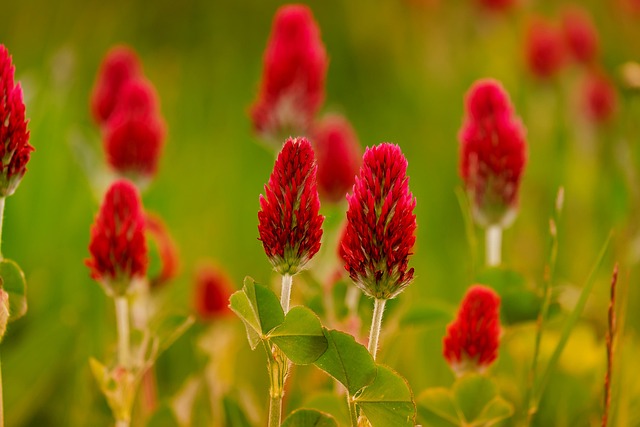
A meadow can be a border partner
The 2026 style is to place wildflowers next to something structured: a clipped hedge, a gravel path, a raised bed, or a line of pots. This balance is ideal for Irish family gardens where you want wildlife value without losing a sense of order.
Tip for wet sites
If water sits after heavy rain, choose species that tolerate damp and avoid enriching the soil. Better drainage and reduced fertility often improve meadow results.
Trend 2: Peat-free becomes the default
In 2026, peat-free compost is no longer a niche choice. Irish gardeners want reliable mixes that hold moisture in dry spells but do not collapse into sludge during wet weeks. The key is choosing the right blend for the job: seedlings, containers, or improving borders.
Trend 2: Peat-free growing and soil-first gardening
The most effective “trend” is not a plant at all. It is a shift in how gardeners manage soil. With heavier rain events and mild winters, Irish soil can become compacted, waterlogged, and low in oxygen. A soil-first approach focuses on structure, mulching, and peat-free amendments that improve drainage and root health without overfeeding. This matters for everything: native wildflowers, container veg, and moody borders.
For containers, the Irish challenge is swing conditions. A pot can be saturated for days during a wet spell, then dry quickly in a bright, breezy week. The peat-free answer is a stable mix with good structure plus a consistent watering routine. For borders, the answer is often a mulch layer and smarter planting density, which reduces bare soil and keeps weeds down without constant work.
Peat-free actions for Irish gardens
For containers
Use a peat-free compost suited to pots, add drainage where needed, and choose sturdy containers for wind exposure.
For clay borders
Improve structure with organic matter, mulch annually, and avoid working soil when it is saturated.
For seedlings
Use a fine peat-free mix, keep airflow moving indoors, and avoid overwatering in mild, damp weather.
For wildlife gardens
Mulch reduces weed pressure so you can leave more areas for habitat, blooms, and seedheads.
Trend 3: Vertical and container veg (Ireland-style)
Vertical gardening Ireland has moved beyond novelty in 2026. The main driver is space: more renters and homeowners in Dublin and other cities want edible harvests without giving up their whole patio. The second driver is control. Containers let you manage soil quality, drainage, and feeding in a climate where borders can be too wet in winter and slug-prone in spring.
The modern approach is to focus on high-value, frequently used crops: herbs you pick daily, salad leaves that regrow, and compact varieties that suit Irish summer temperatures. Wind is the biggest issue on balconies. Trellises and supports need to be anchored, and pots should be heavy enough to stay stable in gusts. A sheltered corner can transform results, especially if you can reduce wind while keeping airflow for plant health.
What to grow in small urban spaces
| Goal | Best fit | Irish tip |
|---|---|---|
| Daily cooking | Hardy herbs in pots | Keep near the door to harvest in rain |
| Fast harvest | Cut-and-come-again leaves | Protect from slugs at pot rims |
| Vertical use | Climbers on trellis | Anchor supports for Dublin wind funnels |
| Low fuss | Fruit in containers (site dependent) | Choose sheltered sun for ripening |
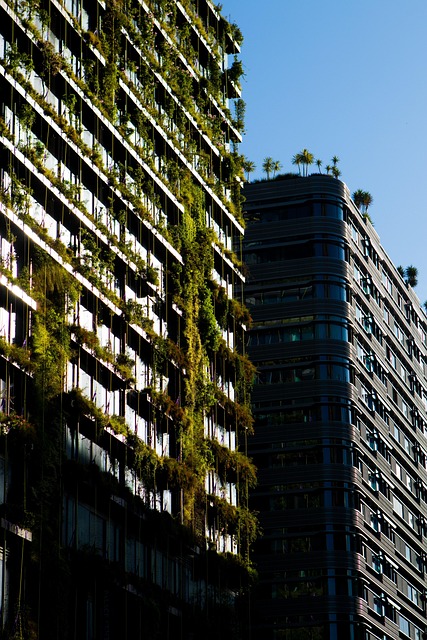
Wind-smart vertical gardening
The best upgrade for balcony growers is not another plant. It is stability: heavy pots, good anchoring, and a layout that reduces wind at leaf level. This improves growth and reduces broken stems and stressed plants.
CTA
Tell us your balcony aspect and how exposed it feels. We can suggest a compact edible plan and the right pot sizes.
Get free advice
Trend 4: Moody, deep colour schemes
Deep greens, plums and smoky silvers look especially good under Irish skies. In 2026, gardeners are pairing moody planting with native structure and long-season pollinator flowers, so the border feels rich without needing constant replanting.
Trend 4: Moody garden planting that suits Irish light
“Moody” does not mean dark and dull. In Irish gardens, deep colour schemes help planting look intentional even when the sky is grey. The trick is to balance deep foliage with light-catching textures: silver leaves, glossy evergreens, and airy seedheads. This is perfect for small gardens in Dublin where light can be short and contrast matters.
A moody palette also pairs well with native plants Ireland gardeners want for biodiversity. You can set native wildflowers into a designed framework: a structured edge, a line of containers, or a defined path. If you want flowers for pollinators, focus on a sequence across months rather than one big flush. That way the garden supports wildlife and still feels curated.
A simple moody palette plan (Irish-friendly)
Base layer
Evergreen greens and strong shapes to carry the garden through wet winters.
Deep colour
Plum and burgundy foliage to add richness without relying on fleeting blooms.
Highlight
Silvers and variegation to lift shaded corners and make planting readable at dusk.
Movement
Grasses and airy stems that handle Irish wind without constant staking.
Trend 5: Biodiversity corridors (garden-to-garden thinking)
Rewilding Ireland is evolving. In 2026, more gardeners are thinking beyond individual features and creating corridors. A corridor can be as simple as linking a hedge to a strip of long-bloom flowers, then adding a small habitat feature. This helps pollinators move through neighbourhoods, which matters in dense areas like Dublin where green spaces can be fragmented.
The most effective corridor is steady and predictable. That means planning for flowering from early season to late season, providing shelter from wind and rain, and avoiding large gaps where nothing offers nectar or cover. Natives help, but you can also include tough, wildlife-friendly plants that extend the season. If your garden is small, you can still contribute: one balcony planter filled with nectar-rich flowers can be a stepping stone between larger gardens.
Corridor building blocks
- Food: a long-bloom planting plan.
- Shelter: structure from shrubs, grasses, or a hedge edge.
- Water: shallow sources where safe and practical.
- Habitat: insect homes, log piles, seedheads left over winter.

Pollinator garden 2026, simplified
Think in seasons: early bloom, summer peak, late bloom. Add shelter, then let a few seedheads stand through winter. This approach suits Irish rain and reduces work.
Good for
Dublin terraces, Wicklow gardens, Cork patios, Galway back gardens, and west coast plots where wind makes low, flexible planting valuable.
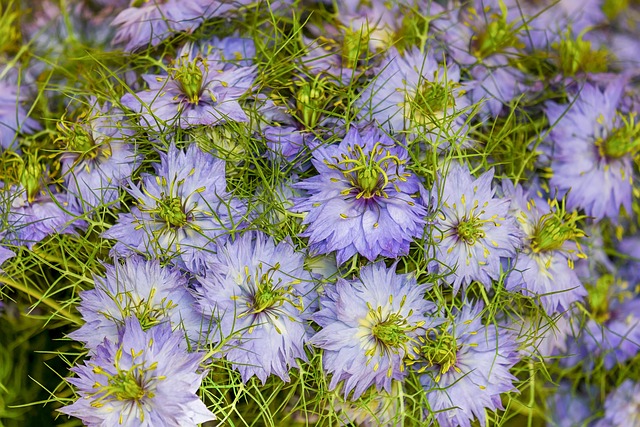
Trend 6: Wellness-oriented gardens
The wellness trend is practical in Ireland: it encourages shelter, year-round structure, and plants you can enjoy even when the weather is changeable. A small seating spot, scent, and movement can turn a compact space into somewhere you actually use.
Trend 6: Wellness gardens that suit Irish seasons
Wellness gardens are not about perfection. They are about making a space feel calm and usable. In Ireland, that often means building in shelter and choosing plants you can appreciate in wet weather: textures that glisten, evergreen shapes that stay present in winter, and scent that carries on cool air. In 2026, many Irish gardeners are also blending wellness with biodiversity, creating planting that supports wildlife while giving the human eye a clear, restful structure.
The most effective wellness upgrade is a defined “pause point”. It can be a small bench, a chair, or even a step that looks over a pot display. Add two containers with a simple palette, then include one feature that brings sound or movement, such as grasses or a gentle water bowl where safe. If you are on a Dublin balcony, focus on wind reduction and a comfortable corner, then grow herbs so the space smells good after rain.
A 30-minute wellness upgrade
- Pick one sheltered spot where you can stand or sit without feeling blasted by wind.
- Add two sturdy pots with a limited colour palette to reduce visual clutter.
- Include scent or texture that you notice in damp air, then mulch to reduce maintenance.
- Keep it repeatable so you can expand later without redesigning everything.
Trend 7: Climate-resilient planting and “low effort” gardening
Irish gardeners are becoming more strategic. Climate-resilient planting in 2026 is not about exotic species. It is about selecting plants that cope with extremes: saturated soil in winter, dry spells in spring, and sudden warm periods that stress tender growth. The low-effort approach is to reduce the areas that need constant attention, then invest in a smaller number of plants that have proven performance in Ireland.
A resilient garden usually has three ingredients: improved soil structure, strong evergreen or semi-evergreen framework, and flowering layers that support pollinators. Native plants Ireland supports this well because natives tend to fit our rainfall and wildlife. Combine that with peat-free compost, mulching, and sensible spacing, and you get a garden that looks good even when you miss a week.
A realistic shopping checklist
If you want to act on trends, this is the simplest basket to build for Irish conditions.
- Native or wildlife-friendly plants with staggered flowering times
- Peat-free compost for containers and a mulch for borders
- Sturdy pots and supports for Irish wind exposure
- A simple habitat feature: insect home, log pile, or seedheads left standing
Want a personalised 2026 plan?
Tell us your county (Dublin, Wicklow, Cork, Galway, or west coast), your light, and what you want: native plants, edible pots, rewilding, or a moody border. We will suggest a practical starting point and what to buy first.
Delivery
Ireland-wide delivery from Wicklow. Free delivery over €70 (standard parcels).
Call
Recommended on-page elements
- Carousel: Dublin balcony veg, Wicklow meadow edge, moody courtyard border.
- Product tiles: native wildflower plugs, peat-free compost, trellises, habitat boxes.
- Comparison table: trend benefits, best garden types, and first purchases.
Frequently asked questions (Trends 2026)
Short, practical answers for Irish gardeners. Use these as a checklist when planning.
What are the biggest gardening trends in Ireland for 2026?
Native wildflower revival, peat-free growing, biodiversity corridors, vertical and container veg, moody deep colour schemes, wellness gardens, and climate-resilient plant choices suited to Irish rain and wind.
Are native plants a good choice for Irish gardens?
Often, yes. Native plants Ireland has adapted to local rainfall and support wildlife. The best results come from matching each plant to your soil moisture, light, and wind exposure.
How do I start a pollinator garden in 2026 without it looking messy?
Use clear edges and structure, then add a sequence of flowers across the season. A small meadow strip beside a path, plus two or three containers near a seating area, can look tidy and still support pollinators.
Is peat-free compost suitable for Irish weather?
Yes, when you choose a peat-free mix designed for the job. For containers, look for stable structure and good drainage so pots do not stay waterlogged during wet spells.
What is the easiest edible gardening option for a small garden in Dublin?
Containers with hardy herbs and cut-and-come-again leaves are the simplest starting point. Add a trellis only when you have stable pots and a sheltered corner for wind.
How do biodiversity corridors work in small gardens?
A corridor can be a stepping-stone: long-bloom flowers in a strip or pots, some shelter, and a simple habitat feature. Even a balcony planter can help connect pollinators through urban areas.
Do moody colour schemes work in Irish shade?
Yes. Deep foliage looks rich under grey skies, especially when balanced with silvery highlights and evergreen structure. This is very effective in Dublin courtyards and north-facing gardens.
Can you recommend plants for my county and garden conditions?
Yes. Contact us with your county (for example Wicklow, Dublin, Cork, Galway or west coast), your sunlight, and whether your soil holds water. We will suggest a practical shortlist and what to buy first.
Schema recommendations
- FAQPage for the questions above
- LocalBusiness for Emerald Haven Gardens (site-wide)
Next step
Choose one trend to start this week. If you want help picking a shortlist that matches Irish weather, ask us.
Image suggestions (alt text)
- “native Irish wildflower border in Wicklow garden with mown path edge”
- “peat-free compost used for container gardening on a Dublin balcony”
- “vertical edible garden Ireland style with trellis and wind protection”
- “moody deep colour planting with plum foliage and silver highlights in Irish courtyard”
- “biodiversity corridor with hedging, flowers and insect habitat in suburban Dublin garden”