
Rewilding without chaos
A tidy path edge, a managed meadow cut, and targeted planting can look intentional while still supporting nature.
Irish locations covered
Dublin patios, Wicklow slopes, Cork shelter, Galway and the west coast wind.
Peat-free and practical
Soil building, mulches, and mixes that handle Irish rain while draining well.
What rewilding means in an Irish garden
Rewilding in Ireland does not have to mean letting everything grow unchecked. For most homes, it means using native plants Ireland wildlife recognises, reducing chemical inputs, and creating small but continuous resources: nectar, pollen, seed, shelter, water, and nesting spaces. A rewilded garden can still have crisp edges, a seating area, and a clear path. The difference is that your planting choices and maintenance routines leave room for life, especially in spring and early summer when pollinators need reliable forage.
Irish weather shapes how rewilding works. Mild winters can keep growth ticking over, but heavy rain can rot crowns and turn bare soil into a slick. Wind can snap tall stems on exposed Dublin balconies or west coast gardens if there is no support. We advise building structure first: a few tough, climate-resilient plants, a mulch plan, and a simple cut schedule. Then add wildflowers and habitat features where they will succeed, not where they will struggle and disappoint.
Three outcomes to aim for
If you are new to biodiversity gardening, keep it simple and measurable.
- Continuous bloom: something flowering from early spring to late autumn.
- Shelter: hedge, shrub, grass clump, or habitat box out of the prevailing wind.
- Soil cover: mulch or groundcover to reduce erosion from Irish rain.
Small space?
A pollinator container trio can do a lot. See Dublin-friendly options on our Small & Urban page.
Small & urban solutionsPollinator garden planning for 2026: the Irish way
The most successful pollinator garden is not a single “bee plant”. It is a sequence of flowers, with shelter and water, in a layout that survives Irish rain and wind. Below is a practical framework you can use for Dublin, Wicklow, Cork, Galway, and the west coast.
1) Start with a native backbone
Native plants Ireland gardeners choose for biodiversity do two jobs at once: they feed pollinators and they cope with local patterns of wet springs, mild winters, and sudden wind. A native backbone does not mean every plant must be native, but it does mean your key “workhorse” plants should be reliable. Foxglove, teasel, red clover, yarrow, and sea thrift are familiar examples. Combine them with a few structural plants that give year-round cover and prevent the “bare patch” look in winter.
If your soil is heavy and holds water, avoid forcing meadow mixes into a boggy dip. Instead, improve soil structure with peat-free compost and plant in slightly raised areas. If your garden is exposed, favour flexible stems and group plants to support one another. A simple rule for Irish wind is to think in clumps rather than singles. Clumps buffer each other, and you can still keep the look tidy by mowing or edging around them.
Seasonal bloom checklist
Aim for at least two flowering groups in each season so bad weather does not wipe out all forage at once.
| Season | Focus | Where it fits |
|---|---|---|
| Spring | Early nectar | Sunny wall, sheltered border |
| Summer | Peak forage | Meadow strip, mixed planting |
| Autumn | Late support | Containers, warm microclimates |
| Winter | Shelter | Hedge base, log pile corner |
For a ready-made plan that matches Irish weather patterns, ask us for a short plant list for your county.
Get a plant shortlist2) Manage your meadow, do not “set and forget”
A native wildflower meadow in Ireland needs management, especially in fertile gardens where grasses can dominate. A common approach is a summer cut after flowering and seed set, then a tidy-up cut in late autumn. Remove the cuttings to reduce fertility over time. This helps wildflowers compete and keeps the look intentional, which matters in smaller gardens and urban settings.
If your space is small, you can treat a meadow strip like a feature border: edge it cleanly, keep a narrow mown path, and add a sign or a low stake line so it reads as a choice. In Dublin, where neighbours can be close, that visual cue matters. In Wicklow or rural gardens, a wider meadow edge can link to hedging and create a true biodiversity corridor.
3) Add habitats that work in wet and windy sites
A biodiversity garden Ireland wildlife uses needs more than flowers. Add shelter and nesting, but place habitats where they will stay dry and stable. In exposed gardens, anchor bird boxes and insect habitats to solid structures. In wet gardens, keep log piles slightly raised so they do not turn into soggy compost too quickly. A simple shallow water dish with stones can support insects, provided it is topped up and cleaned regularly.
For families, habitats also create easy learning moments: you can spot hoverflies, ladybirds, and bumblebees without needing a large garden. If you are gardening on a balcony, focus on container planting plus a small water source and wind protection rather than bulky structures.
Shop habitats & supportsRewilding Ireland in different settings: Dublin to the west coast
Ireland is small, but gardening conditions shift quickly. A sheltered Cork garden might support earlier growth, while Galway and the west coast often deal with stronger winds and frequent rain. Dublin can be warmer but more exposed on balconies and roof terraces, with shade cast by buildings. Wicklow gardens can vary from coastal to upland, and soil can range from free-draining to heavy. A successful rewilding plan starts with the site you actually have, not the site you wish you had.
If you want a pollinator garden 2026 style, focus on resilience first. Choose plants that cope with damp roots and that recover after wind. Use peat-free compost to improve structure and reduce compaction. Then layer in wildflower mixes and habitat features. You will get the best results by keeping a few elements consistent: a tidy edge, a clear “meadow area”, and a repeating set of plants so the garden reads as designed. This approach works equally well for a small garden Dublin terrace and for a larger rural plot.
Mini plan: biodiversity corridor in 5 steps
A corridor can be small. The key is connection and repetition, even across a few metres.
- 1 Pick a line: fence base, hedge edge, or the sunniest border.
- 2 Add structure: a few sturdy plants to give shelter from wind and rain.
- 3 Plant for sequence: early, mid, and late flowering groups.
- 4 Mulch peat-free: protect soil from Irish downpours and reduce weeds.
- 5 Leave small “overwintering” areas: stems, leaf litter, log pile.
Want a tidy look?
Use a mown or gravel edge and repeat the same three plants along the corridor for a designed feel.
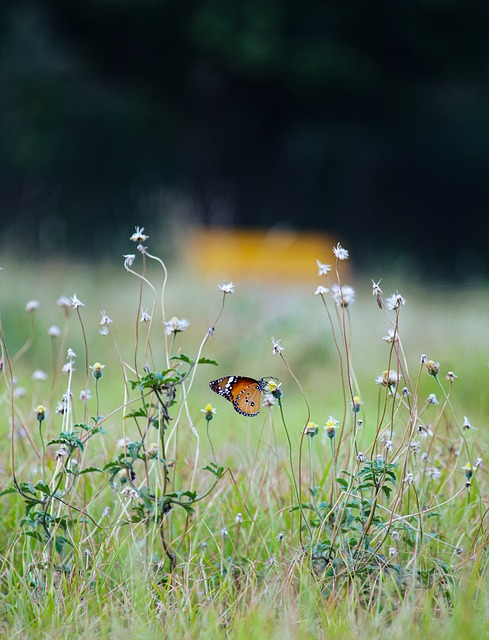
Shop rewilding essentials
Native wildflower mixes, peat-free compost, supports, and habitats that fit Irish conditions.
Care schedule for a rewilding corner (Irish climate)
The easiest way to keep rewilding looking good is to decide your “hands-on” moments and stick to them. Irish gardens can look lush quickly, which is a gift, but it also means growth can smother delicate wildflowers. Use the schedule below as a baseline. Adjust for your region: Dublin can be slightly warmer, while upland Wicklow and the west coast may need later cuts due to slower drying and heavier weather.
| Month range | What to do | Why it helps biodiversity |
|---|---|---|
| Feb to Mar | Tidy paths, edge meadow strip, top up peat-free mulch, check habitats are secure. | Creates shelter and reduces soil splash and erosion in wet weather. |
| Apr to May | Avoid heavy cutting; support tall stems; add a shallow water dish with stones. | Protects early nectar sources and provides water during dry spells. |
| Jun to Aug | Let flowers run; spot-weed aggressive grasses; plan a post-flowering cut. | Maximises forage during peak pollinator activity. |
| Aug to Sep | Main cut after seed set; remove cuttings; leave a small uncut refuge patch. | Supports reseeding while reducing fertility for better wildflower balance. |
| Oct to Nov | Second tidy cut if needed; add leaves to a hidden pile; check drainage in containers. | Leaf litter and stems provide overwintering habitat for beneficial insects. |
| Dec to Jan | Do less. Keep paths safe; avoid clearing everything; protect soil from heavy rain. | Shelter is as valuable as flowers during cold, wet periods. |
Common Irish pitfalls (and quick fixes)
Too fertile for a meadow
Fix: remove cuttings after mowing; avoid feeding; consider a smaller meadow strip with stronger plants.
Soggy winter soil
Fix: raise planting slightly, improve structure with peat-free compost, and choose damp-tolerant options.
Wind damage
Fix: plant in clumps, add discreet staking, and use heavier pots and supports in exposed sites.
Looks “messy” to the eye
Fix: crisp edges, a path, and repeating plant groups. Leave one deliberate “wild” area and keep the rest tidy.
Need a tailored plan?
Tell us your light, soil moisture, and wind exposure. We will recommend a small, workable shopping list.
Get free adviceFrequently asked questions
Schema-ready answers for rewilding Ireland, pollinator gardens, and biodiversity-friendly planting in Irish conditions.
What is the easiest way to start rewilding in a small Irish garden?
Start with one defined area: a 1 to 2 metre strip or a container group. Use native plants and keep edges tidy. Add peat-free mulch and plan a single main cut after flowering if you are creating a meadow patch.
Do native wildflowers work in wet Irish soil?
Some do, but not all. If soil stays waterlogged in winter, choose damp-tolerant natives and improve structure with peat-free compost. For meadow mixes, slightly raised areas with better drainage often perform best.
When should I cut a wildflower meadow in Ireland?
A common approach is a main cut after flowering and seed set in late summer, then a tidy-up cut in late autumn if needed. Remove cuttings to reduce fertility and help wildflowers compete with grasses.
Can I make a pollinator garden on a Dublin balcony?
Yes. Use stable pots, wind buffering, and a sequence of flowering plants. A shallow water dish with stones helps. Choose peat-free compost and anchor supports well for exposed sites.
Do I need to stop mowing completely to support biodiversity?
No. Mowing paths and edges can make rewilding look intentional and can protect wild areas from being trampled. Many Irish gardens do best with a mix: some mown lawn, plus meadow strips and planted borders.
What habitats should I add first for Irish gardens?
Start with shelter and water. A small log pile in a dry, slightly raised spot, an insect habitat fixed securely, and a shallow water source can make a difference. Place habitats out of strong wind and persistent rain.
Do you deliver native plants and rewilding supplies across Ireland?
Yes. We deliver Ireland-wide from our Wicklow base using reliable couriers. Free delivery applies over €70 for standard parcels, and orders are packed carefully to protect plants.
Can you recommend a rewilding plant list for my county?
Yes. Contact us with your county (for example Dublin, Wicklow, Cork or Galway), your light levels, soil moisture, and wind exposure. We will suggest a practical shortlist and a simple care schedule.
Turn one corner into a wildlife-friendly haven
Start small, keep it tidy, and build a reliable sequence of flowers. Shop native plants, peat-free compost and habitats, with Ireland-wide delivery from Wicklow.
Call
Fulfilment base
Unit 4, Ballyogan Business Park, Enniskerry Road, Kilternan, Dublin 18, D18 R2W3, Ireland
Recommended on-page elements
- Carousel: Wicklow meadow strip, Dublin container pollinator trio, west coast windbreak border.
- Product table: wildflower seed mixes, peat-free compost, insect habitat, bird box, water dish.
- QR printable care schedule for meadow cuts and watering checks.