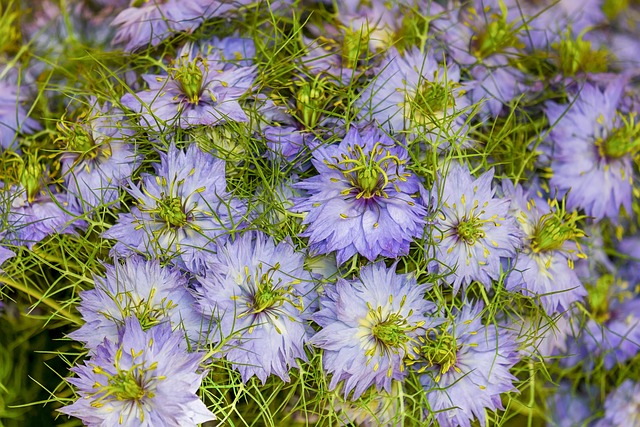
Pollinator garden 2026, the Irish way
Combine natives with structure plants so your garden feeds wildlife and still looks intentional in every season.
Wicklow-rooted advice
Planting plans that work in Dublin, Wicklow, Cork, Galway and the west coast.
Meadow and border friendly
Options for tidy borders, meadow corners, and container planting.
Why choose native plants in Ireland?
Native plants Ireland has evolved with our rainfall patterns, mild winters and local wildlife. That does not mean they thrive everywhere with no effort, but they often give you a strong head start. A native wildflower that naturally grows in damp meadows tends to handle Irish spring rain better than a plant bred for hot, dry summers. Natives also connect directly to biodiversity: many Irish bees, butterflies, moths and hoverflies rely on familiar flower shapes, pollen timing, and leaf habitat. When you plant natives, you are not only adding colour, you are building a functioning food chain.
In 2026, gardeners are also seeking resilience and meaning. Rewilding Ireland is not only for large rural plots. A small Dublin patio can support pollinators with a few pots of long-flowering natives, while a Wicklow suburban garden can create a biodiversity corridor by linking a hedge line to a meadow strip and a nectar-rich border. Native plants are excellent in moody garden planting schemes too. Deep greens, seed heads, and soft movement look dramatic under Irish skies, especially when you mix in grasses and evergreen structure.
Native-first, peat-free supporting kit
Many failures with wildflowers come down to the wrong growing medium and timing, especially in Irish wet spells. Start with peat-free compost for containers, and prepare ground to reduce waterlogging where needed.
- Peat-free compost and soil improvers for healthy root growth
- Sturdy pots and trays that cope with Irish wind on balconies
- Mulches and ground cover planning to reduce weeding and soil splash
- Habitat add-ons: bee houses, insect hotels, and bird-friendly features
Native Irish favourites: what they do well
A practical snapshot for gardeners searching “native plants Ireland” or “best plants Irish garden”, with notes for Irish weather and wildlife value.
| Native plant | Best for | Irish site notes | Wildlife value |
|---|---|---|---|
| Foxglove (Digitalis purpurea) | Vertical colour, woodland edges | Handles Irish rain; thrives in part shade; allow seed heads to drop for self-sowing | Bees love the tubular blooms; good early summer bridge |
| Teasel (Dipsacus fullonum) | Architectural seed heads, meadow edges | Needs space; stake in exposed sites; looks great in moody planting | Pollinators in flower; seed heads feed birds later |
| Red clover (Trifolium pratense) | Ground cover, meadow mixes | Copes with Irish soils; suits sunny patches and open borders | Excellent nectar plant; supports bees through summer |
| Sea thrift (Armeria maritima) | Coastal pots, gravel edges | Great for wind and salt; ideal for west coast exposure and balcony containers | Small blooms attract pollinators; tidy habit for containers |
| Yarrow (Achillea millefolium) | Long flowering, drought dips in summer | Prefers sun; good choice for warmer Dublin sites and free-draining beds | Umbel flowers suit hoverflies and many beneficial insects |
| Bird’s-foot trefoil (Lotus corniculatus) | Wildflower lawns, edges | Likes sun; works in leaner soils; avoid over-feeding with rich compost | Supports pollinators and insect life; great for biodiversity gardens |
For wet Irish soils
If your garden holds water after rain, look for plants that naturally grow in damp meadows and woodland edges. In Wicklow and many parts of Cork and Galway, heavy ground can stay wet for months. Improve structure with peat-free organic matter, and avoid compacting soil by working it when it is waterlogged. In borders, aim for a mix of deep-rooting plants and ground cover, so the surface does not splash during downpours and spread disease.
For wind, coast and balconies
Wind is often the hidden reason a plant struggles in Ireland. Coastal gardens and exposed Dublin balconies dry out faster and can whip soft stems. Choose compact natives, use heavier pots, and add wind buffering with screens or tall planters rather than flimsy trellis. Sea thrift is a standout for salt and exposure, and many meadow natives cope well when they are not top-heavy. Tie in your supports before weather turns, and keep containers evenly moist.
For moody planting (2026)
Moody garden planting is a 2026 favourite in Ireland because it looks rich under cloud cover and feels calming. Natives help anchor the palette: seed heads, textured foliage, and natural movement add depth even when flowers fade. Pair tall, architectural shapes like teasel with softer meadow plants and evergreen structure. The trick is to keep some year-round shape, then allow pockets to be wilder. Leave seed heads through winter where practical and tidy up in spring.
How to succeed with native wildflowers in Ireland
The most common mistake with wildflowers is making the soil too rich. Many native wildflowers prefer leaner ground, especially meadow mixes. If you sow into freshly fed soil or thick compost, grasses and fast-growing weeds can crowd out your flowers. In Ireland’s mild climate, growth can be vigorous, so the balance matters. For a meadow corner, reduce fertility by removing top growth, raking back to create open soil, and sowing at the right rate. For container wildflowers, use a peat-free mix that drains well, and avoid heavy feeding. A smaller, steady supply of water is better than flooding, especially after a wet week.
Another key is timing. Irish weather shifts quickly. You might have a warm spell in March and then a cold, wet April. Aim to sow or plant when soil is workable, not waterlogged, and when young seedlings will not be battered by gales. In exposed sites along the west coast or high ground in Wicklow, consider planting plugs rather than sowing fine seed, so the plants are already established. For Dublin gardens, a sheltered courtyard can be ideal, but a high balcony needs wind protection and a heavier container.
Simple 3-step plan (beginner friendly)
- Choose your style: tidy border pocket, meadow strip, or container pollinator pots.
- Match your site: note sun hours, whether soil stays wet, and how windy it is.
- Support with peat-free basics: use the right compost, stake tall plants early, and avoid over-feeding.
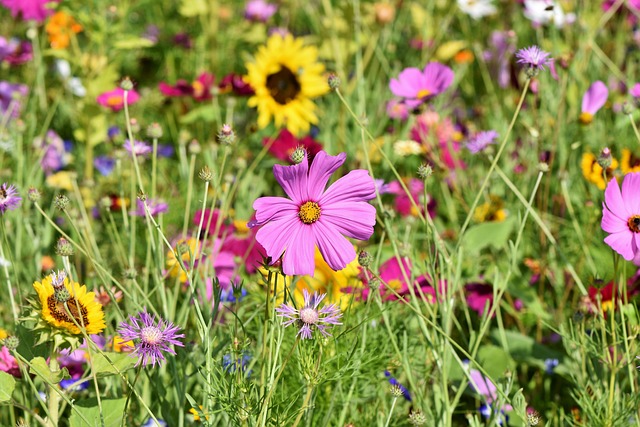
Where natives shine (and where they need help)
Natives can be hardy, but they still need the right match. A damp-loving plant can struggle in a hot, free-draining gravel bed, while a sun lover will sulk in shade. If you tell us your county and site, we can recommend a shortlist that makes sense for Irish weather and your available time.
Suggested on-page elements
- Carousel: Wicklow meadow corner, Dublin patio pollinator pots, west coast windbreak planting.
- Product tiles: native wildflower mixes, plug packs, coastal natives, shade-friendly natives.
- Bloom calendar strip: spring to autumn flowering for pollinator support.
Frequently asked questions
Answers for shoppers looking for native plants Ireland, pollinator-friendly options, and rewilding guidance that fits Irish gardens.
What counts as a native plant in Ireland?
A native plant is a species that occurs naturally in Ireland without being introduced by people. Native wildflowers and shrubs often support local insects and birds more effectively than many ornamental imports.
Are native plants low maintenance in Irish gardens?
They can be, when matched to the right site. Native plants still need suitable light, soil moisture and space. Once established, many cope well with Irish rainfall and mild winters and require less feeding.
Which native wildflowers are good for pollinators?
Foxglove, red clover, yarrow, bird’s-foot trefoil and teasel are widely valued. The best pollinator garden 2026 approach is to plant for continuous flowering from spring into autumn.
Can I grow native wildflowers in pots on a Dublin balcony?
Yes. Use sturdy, heavier pots, protect from strong wind, and choose a peat-free compost that drains well. Avoid over-feeding, and water consistently in dry spells when balconies dry out faster.
Do I need peat-free compost for native planting?
We recommend peat-free compost for sustainable growing, especially for containers and improving structure. For meadow wildflowers, keep soil lean and avoid making it too rich.
How do I start rewilding in a small Irish garden?
Start with one manageable area: a meadow strip, a native border pocket, or a container pollinator corner. Add a simple habitat feature and plan for bloom across the season. Our Rewilding page explains steps for Irish conditions.
Do you deliver native plants across Ireland?
Yes. We deliver Ireland-wide from our Wicklow base using reliable couriers. Free delivery applies over €70 for standard parcels, and we pack to reduce plant movement during transit.
Can you recommend a native plant list for my county and soil?
Yes. Contact us with your location (for example Dublin, Wicklow, Cork, Galway, or the west coast), sunlight hours, and whether your soil stays wet after rain. We will suggest a practical shortlist and care basics.
Ready to plant native?
Tell us your space and goals and we will suggest a native mix that suits Irish weather, from a small garden Dublin patio to a Wicklow rewilding corner.
Delivery
Ireland-wide delivery from Wicklow. Free over €70 (standard parcels).
Sustainable growing
Peat-free options and biodiversity-focused guidance.
Recommended schema
- FAQPage (for the questions on this page)
- LocalBusiness (site-wide, includes Wicklow/Dublin fulfilment base)
- Product / ItemList (when product cards are added)